
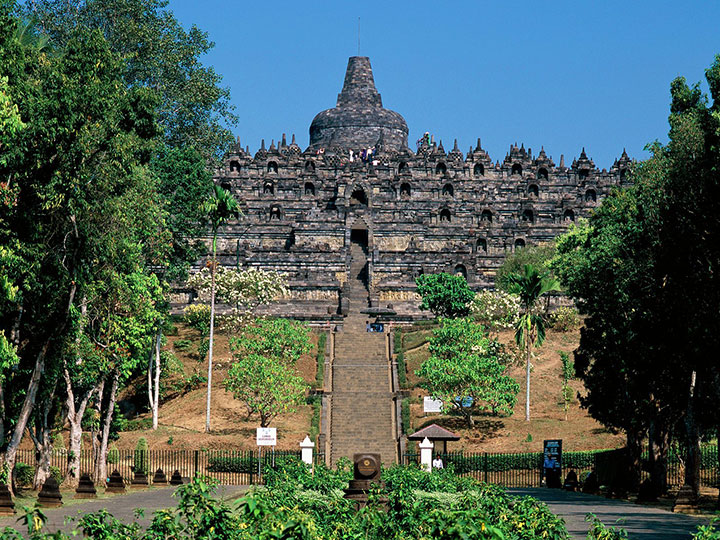
Paket liburan jogja adalah solusi terbaik bagi Anda yang ingin pergi liburan tanpa pusing memikirkan itinerary. Kami yang akan urus semuanya sejak Anda berangkat hingga pulang. Dapatkan penawaran terbaik sekaligus pengalaman liburan tak terlupakan bersama kami.
Pilihan Paket Liburan Jogja Murah
Jogja punya banyak destinasi wisata yang tidak akan habis dijelajahi dalam sehari. Maka dari itu kami tidak hanya menawarkan paket wisata jogja saja. Anda juga bisa memilih untuk stay di Jogja hingga 4 hari 3 malam. Penginapan, perjalanan dan tujuannya sudah kami siapkan, Anda tinggal memilih tanggal keberangkatannya saja. Silakan pilih paket liburan Jogja yang paling cocok untuk Anda.
Paket Private Tour ke Jogja
Harga: mulai dari Rp160.000/paket
Ingin menghabiskan quality time bersama pasangan atau keluarga? Paket private tour adalah pilihan terbaik. Detailnya dapat Anda sesuaikan dengan keinginan.
Pilih destinasi wisata di Jogja yang ingin dikunjungi, kami akan mengantar Anda. Harganya juga relatif terjangkau dan pastinya lebih hemat daripada solo trip.
Paket Liburan 1 Hari ke Jogja
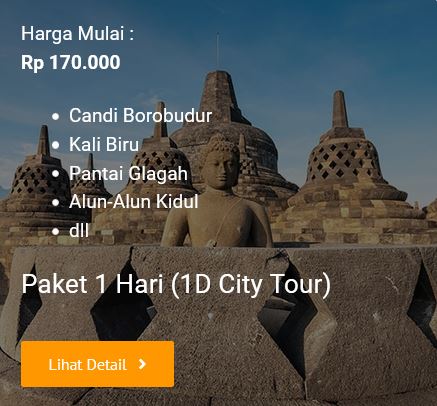
Harga: mulai Rp170.000/paket
Tidak masalah jika Anda cuma punya waktu liburan selama satu hari. Kami menjamin Anda tetap puas berkeliling Jogja meski dengan keterbatasan waktu.
Setiap paket memiliki tujuan wisata yang tidak akan membuat kecewa. Liburan terasa menyenangkan dengan privasi tetap terjaga.
Paket Liburan 2 Hari 1 Malam ke Jogja
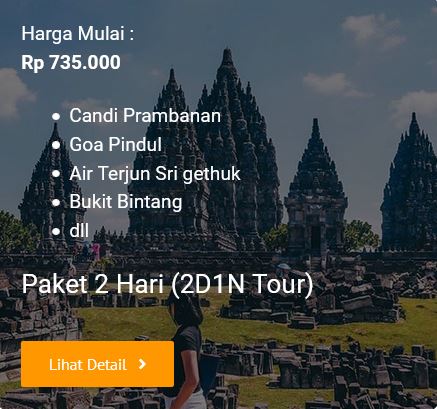
Harga: mulai Rp735.000/paket
Paket wisata jogja 2 hari 1 malam cukup ramai diminati terutama pada hari Sabtu dan Minggu. Jadi, Anda bisa kembali bekerja keesokan harinya dengan lebih fresh.
Tentunya ada lebih banyak sewa mobil jogja destinasi wisata yang menunggu untuk Anda kunjungi di hari pertama dan kedua. Tenang saja, kami sudah memilihkan tempat-tempat populer dan Instagramable.
Paket Liburan 3 Hari 2 Malam ke Jogja
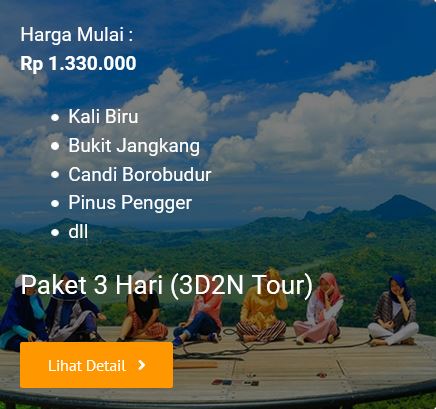
Harga: mulai Rp1.330.000/paket
Anda datang dari luar kota? Jangan khawatir, paket liburan kami sudah mencakup layanan antar-jemput.
Kami akan menjemput Anda sejak pertama tiba di Jogja, mengantarkan ke hotel dan menuju ke tempat-tempat wisata. Dalam paket ini Anda tersedia bermacam-macam variasi wisata yang tidak membosankan.
Paket Liburan 4 Hari 3 Malam ke Jogja
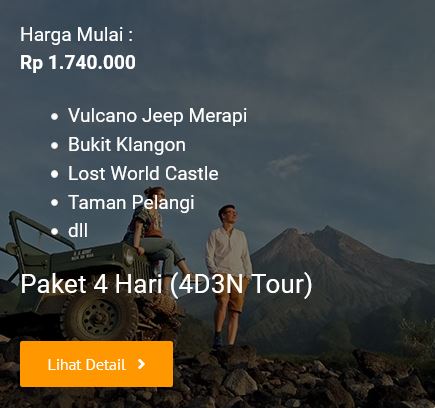
Harga: mulai Rp670.000/paket
Pasti sangat merepotkan jika harus mengatur itinerary sendiri untuk liburan ke Jogja selama empat hari. Itulah keuntungan membeli paket liburan Jogja.
Kunjungi pantai populer di Gunung Kidul, Candi Borobudur, Museum Jogja Kembali, hingga belanja di Malioboro. Semua bisa Anda kunjungi, sementara itinerary, homestay di Jogja dan akomodasi, semuanya sudah diatur.
Punya daftar tujuan sendiri? Kami terbuka untuk berdiskusi dengan Anda.
Paket Bulan Madu ke Jogja
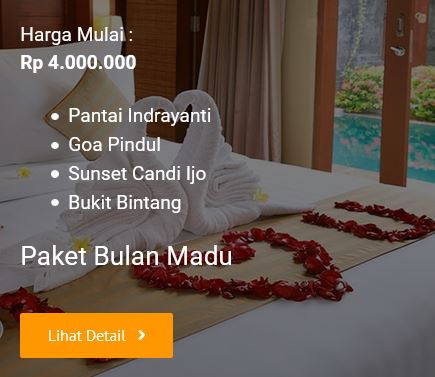
Harga: mulai Rp4.850.000/pasangan
Mencari paket liburan Jogja 2 orang untuk menghabiskan waktu bersama pasangan? Jogja akan memberi Anda kesan yang tidak terlupakan untuk Anda.
Nikmati momen istimewa di tempat yang tak kalah istimewa dengan paket honeymoon. Mungkin Anda mau mengunjungi sewa bus pariwisata murah di jogja tempat romantis di Yogyakarta seperti Rangga dan Cinta di AADC 2? Bisa diatur.
Kami menawarkan paket bulan madu 2 hari 1 malam dan 3 hari 2 malam. Silakan ajukan penawaran jika Anda punya rencana sendiri.
Paket Study Tour ke Jogja
Harga: mulai Rp950.000/orang
Ini adalah paket tour khusus untuk rombongan, biasanya dipilih untuk wisata siswa SD, SMP dan SMA. Kuotanya mulai dari puluhan hingga ratusan orang.
Semakin banyak peserta tour, maka harga per paketnya pun jadi lebih murah.
Jogja memang masih menjadi destinasi wisata favorit untuk study tour. Biasanya peserta datang dari luar daerah seperti Bandung, Semarang, Surabaya, dll. Untuk akomodasi, rombongan Anda akan mendapat fasilitas bus yang nyaman.
Fasilitas Lengkap Paket Wisata Jogja
Kami menjamin kenyamanan dan kesenangan Anda maupun rombongan selama berada di Jogja. Meskipun biayanya relatif terjangkau, namun fasilitas yang akan Anda dapatkan sudah sangat lengkap.
Sewa Mobil
Apakah paket liburannya sudah termasuk sewa mobil dan BBM? Tentu saja. Tidak perlu menambah biaya untuk penyediaan mobil dan sopir.
Kami menyediakan mobil yang kondisinya prima dan sangat terawat. Ada berbagai pilihan kendaraan sehingga Anda bisa menentukan sesuai anggaran, seperti:
- Avanza,
- Innova,
- Fortuner,
- Alphard,
- Hiace,
- Bus.
Pilihan Tujuan
Mungkin memang ada kesan tersendiri dengan jadi backpacker atau solo trip. Tetapi paket wisata Jogja menawarkan kemudahan untuk Anda.
Kami membantu Anda memilih tujuan, yang biasanya sering membuat bingung. Soal ticketing, biaya parkir dan lain-lain juga sudah termasuk dalam biaya yang Anda bayar.
Penginapan
Selain peserta one day tour, kami memastikan Anda menginap di hotel yang nyaman. Namun upgrade kamar atau layanan hotel tidak termasuk dalam paket. Anda bisa hubungi kami untuk info lebih lanjut.
Pelayanan Personal
Kepuasan Anda adalah prioritas kami. Oleh karena itu Anda akan dilayani oleh para kru terbaik dan berpengalaman mulai dari sopir hingga tour guide. Sebisa mungkin kami akan memberi pelayanan terbaik selama Anda menjalani liburan di Jogja.
Pesan Paket Liburan Jogja Sekarang
Sudah terbayang suara deburan ombak di pantai ngobaran atau suasana sungai bawah tanah di goa Pindul Jogja? Tentu saja Anda pasti tertarik dengan tawaran kami.
Namun pastikan Anda juga punya rencana pribadi sebelum berangkat. Pasalnya, Jogja adalah tujuan favorit yang selalu ramai. Misalnya, pesan jauh-jauh jika ingin liburan di momen tertentu karena mungkin hotel akan penuh. Selebihnya percayakan saja segala urusan liburan Anda kepada kami. Pesan paket liburan Jogja kami sekarang juga dengan menghubungi nomor kontak di bawah ini. Jangan ragu untuk mendiskusikan keinginan Anda dengan customer service kami.